New Technology
Waymo Targets Driverless Tokyo Rides in 2027, Pending Approval
—
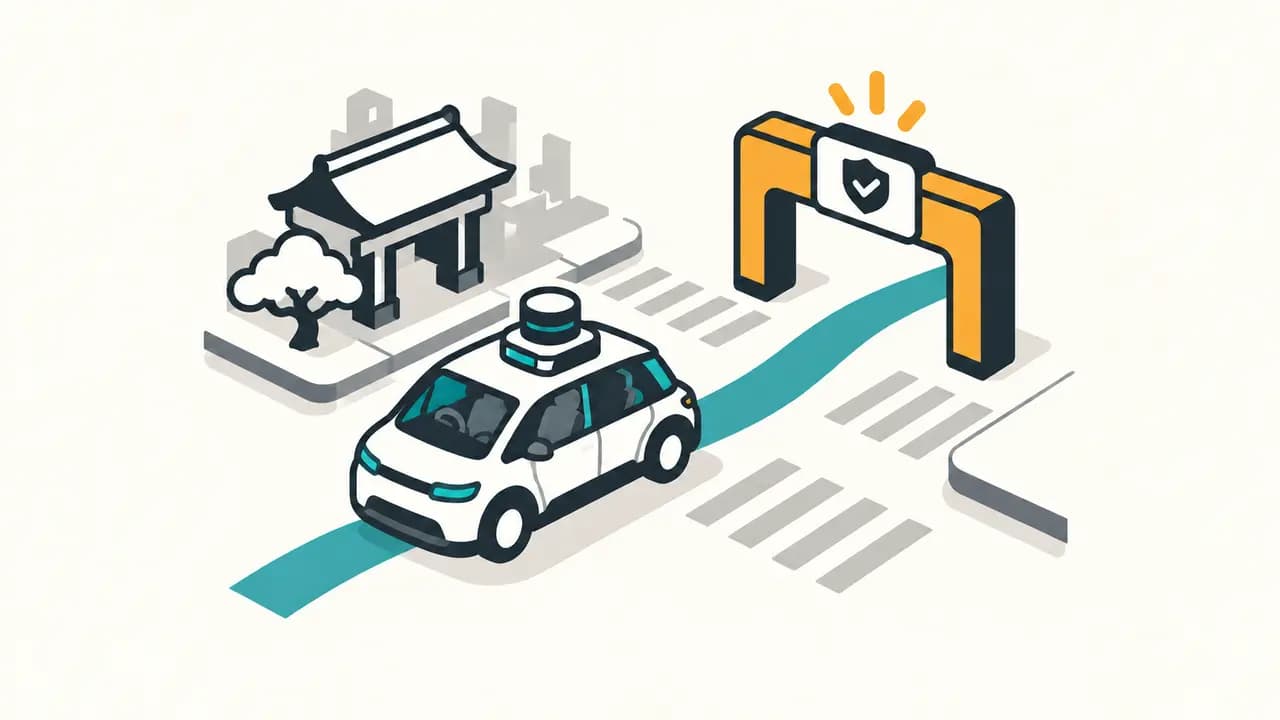
Waymo, taxi app GO and Nihon Kotsu aim to offer Tokyo's first fully driverless public rides in 2027. The launch still depends on regulatory approval and further testing. The important distinction from many pilots is that no safety driver is meant to be on board once the service is cleared.
## From mapping cars to a public service
Human-driven Jaguar I-Pace vehicles carrying Waymo technology have operated in Tokyo since 2025. They collect road, traffic and local-environment data in Waymo's first public-road programme outside the United States.
The partners plan to begin the commercial service with a small fleet, then expand gradually to about 100 vehicles across key neighbourhoods. Rides should be bookable through both GO and Waymo's app. Pricing, exact districts and the initial fleet size have not been disclosed.
Waymo therefore presents 2027 as a target rather than a guaranteed launch date. National and local authorities must approve the service first. The partners also need to validate the Waymo Driver and their joint operation in Tokyo's dense, left-hand-traffic environment.
## Pandorex Analysis
The plan goes beyond [the announced, initially supervised Wayve-Uber rides in London](/en/artikel/robotaxis-london-uber-wayve-tesla-september-2026): Tokyo's public service is intended to operate without a driver from launch. At the same time, no bookable service exists today. The figure of roughly 100 cars describes only the planned expansion.
Japan's ageing population and taxi-driver shortage provide a clear economic incentive. Whether autonomous vehicles materially ease that shortage will depend on approval, reliability in local traffic and subsequent scaling. The defensible news is therefore not that “Tokyo will definitely get robotaxis in 2027”, but that Waymo has named a concrete international target market, partners, operating model and fleet range for the first time.
Sources and references
Sources used for the facts and context in this article.