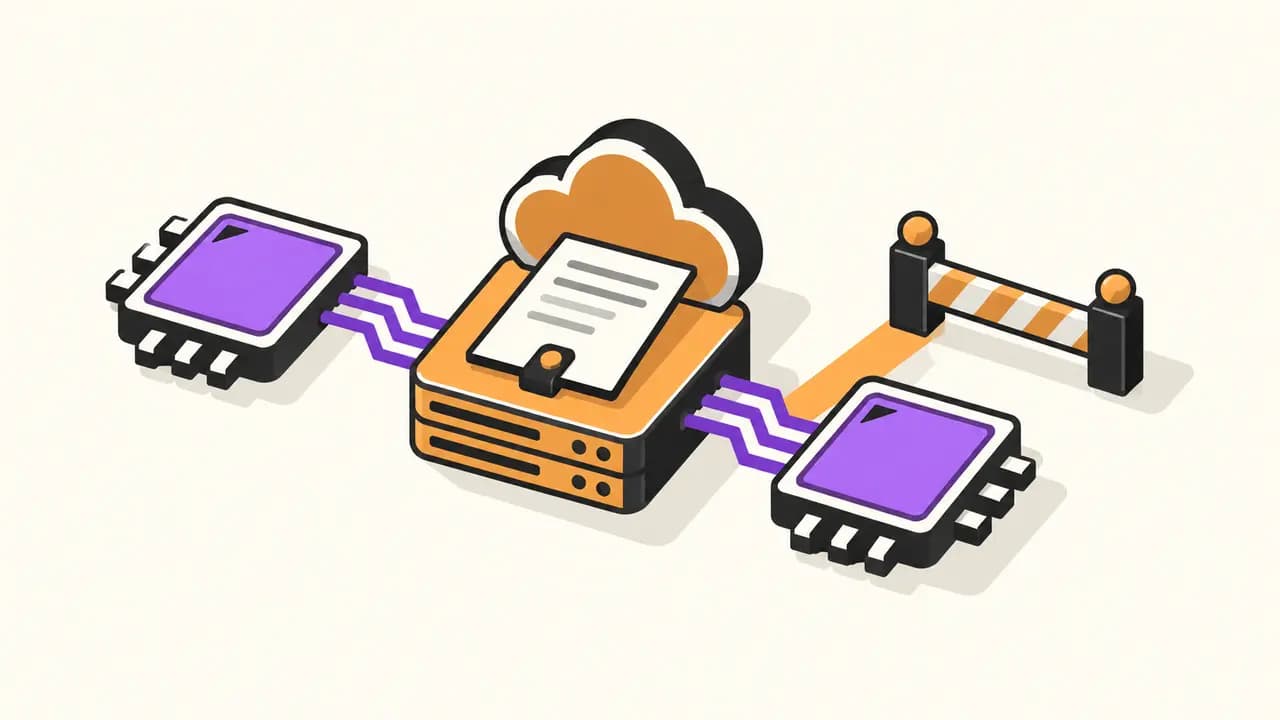
In brief: Cohere and Aleph Alpha signed a definitive merger agreement on September 16. The April plan is now a binding transaction, but closing awaits regulatory approvals. It combines models, integration software and STACKIT infrastructure; “sovereign AI” still requires technical and contractual proof.
What the agreement establishes
The unified company will operate as Cohere with headquarters in Toronto and Berlin. Aleph Alpha's Heidelberg office will remain a research centre. The workforce will exceed 1,000 people across Canada and Europe.
Aleph Alpha co-CEO Ilhan Scheer is set to become Cohere's chief operating officer after closing. Co-founder Samuel Weinbach is designated chief research officer. Both appointments depend on completion, expected after regulatory reviews later in 2026.
The companies disclosed no updated financial terms. Reuters says the combination planned in April was valued at about $20 billion. That was a valuation of the combined business at the time, not a confirmed purchase price. Schwarz Group had committed €500 million in structured financing and is expected to provide compute through its cloud subsidiary STACKIT.
Models, integration and infrastructure
Cohere contributes language models, its North platform and private deployments. Aleph Alpha has shifted away from competing for the largest foundation models towards specialised models, integration software and customers in government and regulated industries. STACKIT adds a cloud layer operated in Germany.
This aligns with Europe's previously discussed search for controllable cloud and AI infrastructure. It does not remove dependencies automatically; it rearranges them into a supply chain spanning the model provider, platform, cloud and shared governance rules.
Pandorex Analysis
Cohere calls the combination the first transatlantic sovereign-AI solution. For now, that is a vendor claim, not a regulatory certification. Customers need verifiable details: data location and administrative access, key ownership, update control, subcontractors, audit rights and a workable exit path. The agreement makes the proposition more credible commercially; whether it is technically more sovereign than controlled hyperscaler offerings will depend on architecture and contractual documents published after closing.