Summary: OpenAI is offering the agent harness behind Codex as a managed Agents API. The service handles sessions, context compaction, tools and subagents, while developers can choose OpenAI sandboxes, their own infrastructure or partner environments. This reduces orchestration work, but moves a central part of agent operations onto OpenAI's platform.
More than another model endpoint
The public beta has been available to all developers since September 10. A session is created with a task, model, tools and runtime environment. It supports MCP servers, custom functions and built-in tools such as web search. Tool calls can be filtered, chained or executed in parallel through code, while complex tasks can be delegated to subagents with separate contexts.
For long sessions, the service automatically compacts earlier content before the context window fills. Tool Search loads tool definitions only when needed. Both features are intended to reduce token use and preserve caching, but they also transfer decisions that previously lived in a team's own agent harness.
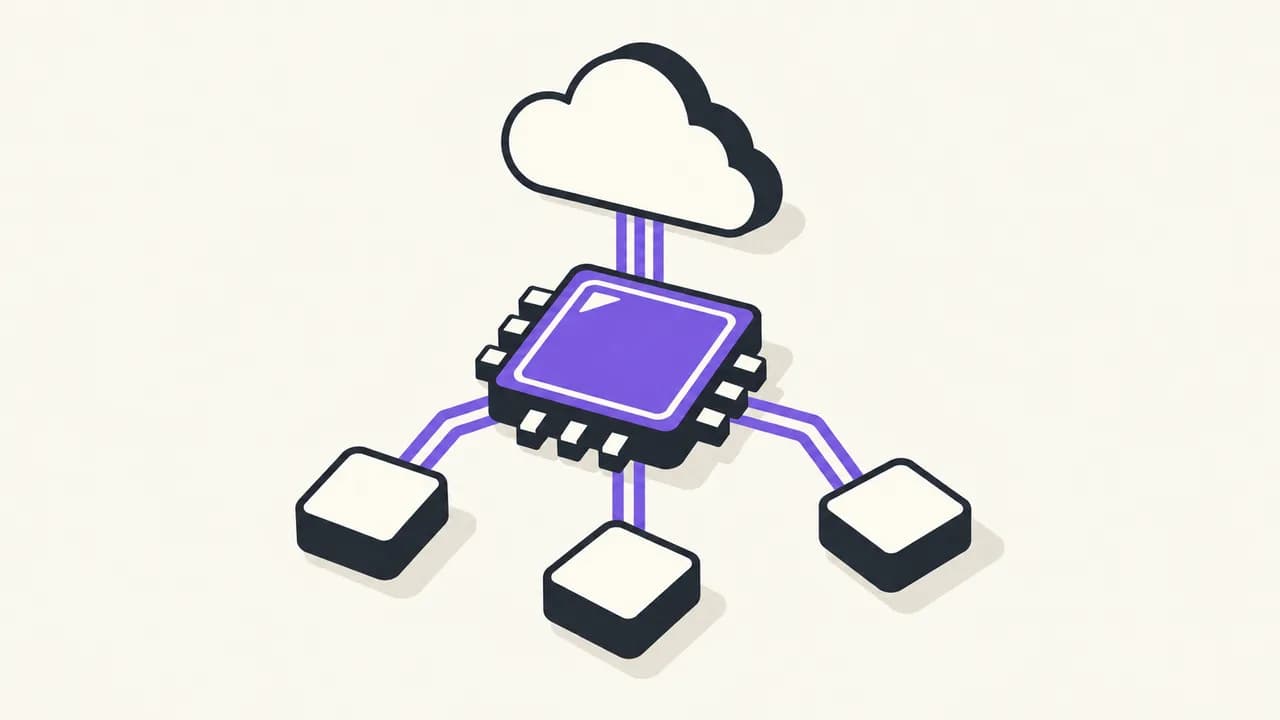
OpenAI can provide a sandbox where the agent runs code, edits files and stores outputs. The company also lists customer infrastructure, VPC environments and partners including Cloudflare, DigitalOcean, Oracle and Vercel. The distinction matters: compute can run outside OpenAI, but OpenAI still operates and versions the Agents harness.
Pricing and unresolved limits
OpenAI says the Agents API has no separate platform fee. Customers pay for the models, tokens and tools they use. Total cost therefore depends heavily on session length, parallelism, sandbox runtime and external services. A long-running agent is not automatically cheaper than self-managed orchestration.
OpenAI cites customer results including lower failure rates, lower cost per case and shorter latency. These are vendor and partner claims, not uniformly reproduced independent benchmarks. The API is also explicitly in beta, and the announcement provides no date for general availability.
Pandorex Analysis
The important shift is the control point. Teams previously had to connect state management, recovery, tool selection, sandbox lifecycle and subagents themselves. These functions now become a platform layer. That accelerates adoption, but can make a later provider change harder when session models, events and tools are tightly coupled to the API.
For sensitive environments, a self-hosted sandbox is not enough on its own. Teams still need to determine which prompts, events, artifact metadata and tool outputs reach the managed harness, how permissions are constrained, and whether failed runs can resume safely.
Pandorex assessment: Agents API can remove substantial custom infrastructure and make multi-day agents more practical. Its value will depend less on the model than on cost controls, observability and a clean separation between the harness, secrets and execution environment.